
How Often Should You Replace Swamp Cooler Pads?
October 18, 2024 7:37 pm
Swamp cooler pads are the engine behind every evaporative cooling system. When they are in good shape, you get strong airflow, steady temperature drops, and clean air. When they are worn out, the whole system suffers — higher energy bills, weaker cooling, and air quality that starts to decline. Knowing how often to replace swamp cooler pads is one of the most practical things you can do to protect your investment and keep your space comfortable all season long.
This guide covers everything: pad types, replacement schedules, warning signs, the actual replacement process, and tips for making pads last longer. If you are looking for replacement media options, browse our evaporative cooling media or visit the parts and accessories shop to find the right fit for your unit.
How Often Should You Replace Swamp Cooler Pads?
The honest answer depends on the type of pad, local water quality, and how heavily the system runs. There is no single universal schedule, but there are reliable guidelines by pad material that most cooling professionals follow.
Replace every season, or sooner with heavy use or hard water
Replace every 2 to 3 years with proper maintenance
Replace every 1 to 3 years depending on conditions
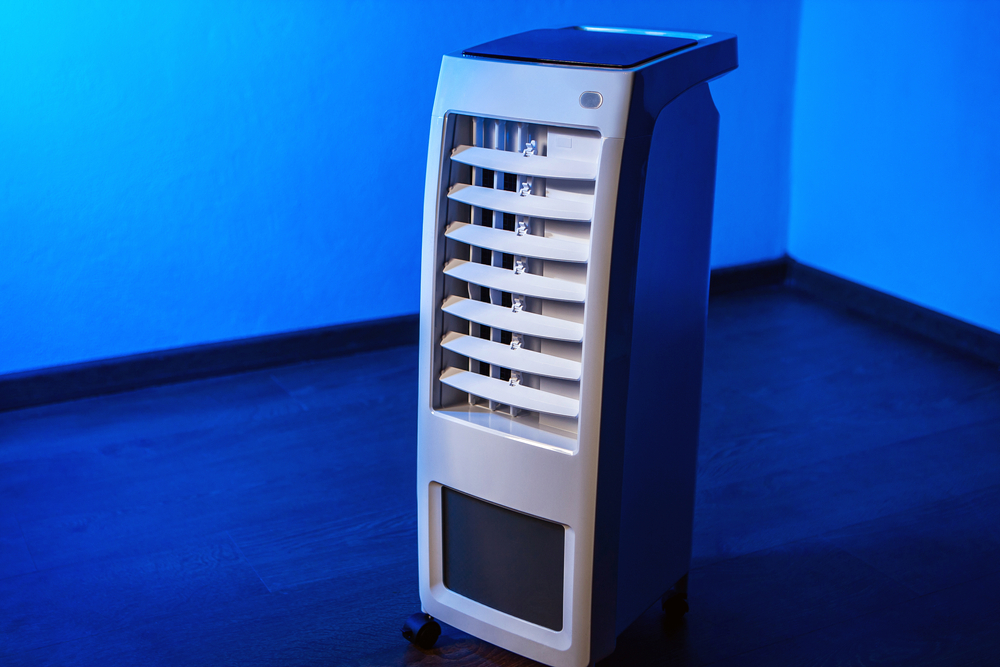
The condition of your swamp cooler pads directly determines how well your system cools. Fresh pads absorb water evenly and deliver consistent airflow across the cooling media.
Types of Swamp Cooler Pads and Their Replacement Schedules
Pad material is the single biggest factor in how long your pads will last. Each material has different water absorption characteristics, durability, and cost profiles. Choosing the right type for your application makes a meaningful difference in both performance and long-term maintenance costs.
Aspen Wood Fiber Pads
Made from shredded aspen wood, these are the most common and affordable option for residential evaporative coolers. They provide decent water absorption and good airflow but break down relatively quickly, especially in hard water conditions or heavy daily use. Most aspen pads need to be replaced at least once per cooling season. In areas with high mineral content in the water, mid-season inspection is a good idea.
Cellulose / Rigid Media Pads
Rigid media pads — sometimes called honeycomb pads — are constructed from corrugated cellulose sheets treated with resin for durability. They are the preferred choice for commercial evaporative coolers and industrial evaporative coolers because they provide up to 98% cooling efficiency and can last two to three years with proper care. Their structure allows for better air distribution and more consistent saturation than fiber pads.
Synthetic Pads
Synthetic pads made from polyester or plastic mesh resist mold and mildew better than natural fiber options. They are a good middle ground in environments where biological growth is a concern. Depending on water quality and usage, synthetic pads typically last one to three years before replacement is needed.
Fiber vs. Rigid Media: Key Differences
Fiber pads, including aspen and some synthetic varieties, are simpler in structure and lower in upfront cost but require more frequent replacement. Rigid media pads carry a higher initial cost but deliver better long-term value through superior cooling performance and a longer service life. For industrial and commercial applications, rigid media is almost always the better choice. You can compare specific media options including CELdek, GLASdek, and KUUL Pads to find what fits your system.

Rigid media pads offer superior cooling efficiency and a longer service life compared to standard aspen or fiber pads, making them a cost-effective choice over multiple seasons.
Priming new pads before the cooling season ensures even water saturation from the first run, which protects the media and improves early-season performance.
What Factors Affect How Long Swamp Cooler Pads Last?
Even within the same pad type, lifespan varies quite a bit depending on the operating environment. Understanding these variables helps you set a realistic maintenance schedule and avoid replacing pads either too early or too late.
Water Quality
Water quality is the most significant factor in pad longevity. Hard water — common throughout the Southwest — contains elevated levels of calcium and magnesium that leave mineral deposits on the pads as water evaporates. Over time, this scale buildup reduces the pad’s ability to absorb water, restricts airflow, and accelerates breakdown. If your area has hard water, you may need to replace pads more frequently or treat the water supply. A bleed-off system helps by continuously flushing a small amount of mineral-laden water from the reservoir. Water quality also affects other system components, so it is worth reviewing our notes on how water quality affects evaporative cooling performance for a fuller picture.
Frequency of Use
A cooler running eight or more hours a day through a long hot season will wear pads down much faster than one used a few hours a day on mild days. Heavily used systems should be inspected mid-season regardless of pad type, and aspen pads in particular may need replacement before the season ends.
Air Quality and Environment
Environments with high dust, pollen, or airborne particulates cause pads to clog faster. This is especially relevant in agricultural areas, construction zones, or regions with frequent dust storms. Clogged pads cannot absorb water properly, which reduces cooling efficiency and forces the fan motor to work harder.
Maintenance Routine
Pads that are cleaned regularly and inspected at the start and end of each season consistently outlast neglected ones. A basic maintenance routine — cleaning the reservoir, checking water distribution lines, and removing debris from pad surfaces — goes a long way toward extending service life. For a detailed breakdown, see our swamp cooler maintenance guide.
Swamp Cooler Pad Replacement Schedule by Condition
The table below summarizes recommended replacement intervals based on pad type and operating conditions. These are general guidelines — always inspect pads directly and replace sooner if signs of wear appear.
| Pad Type | Normal Conditions | Hard Water or Heavy Use | Notes |
|---|---|---|---|
| Aspen / Wood Fiber | Once per season | Mid-season or twice per season | Most affordable; shortest lifespan |
| Cellulose / Rigid Media | Every 2 to 3 years | Every 1 to 2 years | Best efficiency; preferred for commercial and industrial use |
| Synthetic | Every 1 to 3 years | Annual inspection recommended | Good mold resistance; moderate cost |
Regardless of pad type, perform an annual inspection at the start of each cooling season. Early detection of wear, mineral buildup, or biological growth prevents larger performance problems down the line. OSHA’s heat illness prevention guidance is a useful reference for facilities where worker comfort and safety depend on consistent cooling output.
Signs Your Swamp Cooler Pads Need to Be Replaced
Even if you are tracking replacement intervals, physical signs can tell you more than a calendar. Inspect pads regularly and watch for any of the following indicators that replacement is overdue.
Reduced Cooling Output
If the air coming out of your cooler feels warmer than usual or less refreshing than it used to be, deteriorating pads are often the cause. Worn or clogged pads cannot absorb and evaporate water effectively, which means less heat is removed from the incoming air. If you are troubleshooting a unit that is not performing well, also check whether your system has broader issues covered in our evaporative cooler troubleshooting guide.
Musty or Unpleasant Odors
Pads that remain damp between uses and accumulate mineral scale or organic debris can develop mold, mildew, or bacterial growth. A musty or sour smell coming from the unit is a reliable sign that the pads are compromised and need to be replaced rather than just cleaned.
Visible Damage or Heavy Scaling
A visual inspection reveals a lot. Frayed edges, discoloration, crumbling material, or a heavy white crust of mineral deposits all indicate pads that are past their useful life. Pads that feel stiff, brittle, or fail to become fully saturated when the pump runs are no longer functioning correctly.
Higher Energy Bills
A cooler with degraded pads works harder to achieve the same output. The fan motor runs longer, water consumption increases, and overall efficiency drops. If your utility costs have crept up without a corresponding change in usage, pad condition is worth checking before looking elsewhere.
Increased Airborne Dust or Odors Inside
Pads also act as a basic filter for the incoming air. Pads that have deteriorated or developed gaps allow more dust and particulates to pass through into the living or working space, which you may notice as increased dust on surfaces or a decline in indoor air quality.
Heavy mineral scaling and visible deterioration are clear indicators that pads have reached the end of their service life and should be replaced before the next cooling season.
Comparing new and worn pads side by side makes it easy to see how much efficiency is lost when pads are not replaced on schedule.
How to Replace Swamp Cooler Pads: Step by Step
Replacing swamp cooler pads is a straightforward task that most homeowners and facility managers can complete without professional help. Following the correct sequence protects both the new pads and the other components of the system.
- Turn off power to the unit
Before opening the cooler, shut off power at the breaker or disconnect switch. This eliminates the risk of electrical contact while working around the water system and fan. - Shut off the water supply
Close the water valve feeding the cooler’s reservoir. This prevents the pump from running dry or the reservoir from refilling while you are working inside the unit. - Remove the access panels
Open the side panels on the cooler housing. Depending on your model, panels may be secured by screws, wing nuts, or simple friction clips. Set them aside carefully to avoid bending or cracking the housing. - Take out the old pads
Lift or slide the worn pads out of their frames or retaining clips. Old pads, especially aspen varieties, often crumble during removal. Have a bag or drop cloth ready to contain debris and mineral dust. - Clean the interior
While the pads are out, clean the inside of the cooler thoroughly. Use a soft brush to remove scale deposits from the reservoir, water distribution lines, and cabinet walls. Inspect the pump for debris and flush the lines. This step protects the new pads from contamination immediately after installation. - Inspect the water distribution system
Check that the water distribution tubes or spider assemblies above the pads are clear and that water flows evenly across the pad surface. Uneven distribution causes dry spots on the pads, reducing cooling efficiency and accelerating wear. - Install the new pads
Place new pads into the frames with the correct orientation — most rigid media pads have a specific direction for airflow and water flow indicated on the packaging. Ensure a snug fit without gaps around the edges, which would allow uncooled air to bypass the media. - Prime the pads before first use
Before turning the system on, run the pump only for a few minutes to pre-saturate the new pads. This prevents the dry pad from absorbing all available water at once and ensures even initial saturation when the fan starts. - Restore power and test
Turn the water supply and power back on. Run the cooler and check for even airflow, proper water distribution across all pad surfaces, and no unusual sounds or leaks. Monitor performance for the first few operating cycles to confirm everything is working correctly.
Proper pad installation, including priming the media before the first run, sets the system up for consistent performance throughout the cooling season.
Tips to Extend the Life of Your Evaporative Cooler Pads
Getting the most out of every set of pads reduces both maintenance frequency and long-term operating costs. These practices are worth building into your standard seasonal routine.
Treat the Water Supply
In hard water areas, mineral scale is the primary cause of premature pad failure. Using anti-scale additives, installing a water softener on the supply line, or running a bleed-off system to flush concentrated mineral water from the reservoir all help reduce buildup on the pad surface. Less scale means longer pad life and more consistent cooling output.
Clean Pads Monthly During Heavy Use
A light rinse with a garden hose or a gentle brush-down once a month removes accumulated dust, pollen, and light mineral deposits before they become embedded in the pad material. This is especially important in arid, dusty environments where pads can clog quickly. Avoid high-pressure washing, which can damage the internal structure of rigid media pads.
Winterize Properly
At the end of the cooling season, drain the reservoir completely, remove and inspect the pads, and store or replace them as needed. Leaving water in the system over winter promotes corrosion in the reservoir and can cause pads to develop mold or mildew during the off-season. Covering the unit protects the housing and prevents debris accumulation. For a full seasonal checklist, review our top evaporative cooling maintenance tips.
Choose the Right Pad for Your Application
Using a pad material that matches your operating environment reduces premature failure. High-use commercial or industrial systems benefit from rigid media pads that can handle sustained operation. Residential systems with seasonal use are often fine with aspen pads replaced annually. If you are selecting pads for a specific unit, our team can help you match the correct size and material — visit Premier Industries to get guidance.
Why Regular Swamp Cooler Pad Replacement Is Worth It
Replacing pads on schedule might seem like a routine task, but the downstream benefits affect nearly every aspect of system performance and operating cost.
- Better cooling output: Fresh pads absorb and evaporate water more efficiently, delivering lower supply air temperatures and greater comfort even on the hottest days.
- Lower energy bills: A system running on worn pads works harder to achieve the same result. New pads restore efficiency and reduce the load on the fan motor and pump, which shows up directly in energy consumption.
- Cleaner indoor air: New pads provide better filtration of incoming air and prevent the biological growth — mold, mildew, bacteria — that can develop in old, degraded media. For environments where indoor air quality matters, this is a significant benefit worth considering alongside the broader relationship between swamp coolers and air quality.
- Longer system lifespan: When pads are in good condition, the fan motor, pump, and water distribution components operate within their designed parameters. Clogged or collapsed pads force these components to work outside normal ranges, which accelerates wear.
- Consistent humidity management: Properly saturated pads regulate how much moisture enters the airstream, keeping indoor humidity within a comfortable range. Deteriorated pads can cause inconsistent or excessive humidity, which affects comfort and can promote condensation on surfaces.
For a broader look at how evaporative cooling compares to other options in terms of cost and efficiency, see our swamp cooler vs. AC comparison.
Where to Find Replacement Pads and Evaporative Cooler Accessories
Getting the right replacement pad for your specific unit matters more than most buyers realize. A pad that is the wrong thickness, wrong material, or wrong dimensions for the frame will underperform even if it is installed correctly.
Premier Industries, Inc. manufactures evaporative coolers and supplies replacement components for commercial, industrial, residential, and portable cooling systems nationwide. Our inventory includes rigid media, aspen pads, wet sections, and brand-specific options designed to fit the most common cooler models on the market. If you are not sure which pad fits your unit, the contact page is the fastest way to get a specific recommendation from our team.
You can also browse our full selection of replacement wet sections, replacement media, and individual parts and accessories directly through the site.
Frequently Asked Questions About Replacing Swamp Cooler Pads
How often should you replace swamp cooler pads?
It depends on the pad type. Aspen pads typically need replacement once per season, or more often with heavy use or hard water. Rigid media cellulose pads last two to three years under normal conditions. Synthetic pads fall somewhere in between at one to three years. Annual inspection at the start of each cooling season is a good baseline for any pad type.
How long do evaporative cooler pads last?
Pad lifespan ranges from one season for basic aspen pads to up to three years for high-quality rigid media. Water quality, usage frequency, and local air quality all influence how quickly pads degrade. Pads in hard water areas or systems that run daily for long seasons will reach the end of their useful life sooner than those in softer water regions with lighter use.
What are the signs that swamp cooler pads need to be replaced?
Watch for reduced cooling output, musty or sour odors from the unit, visible mineral scaling or physical damage on the pad surface, and higher energy consumption without a change in usage. Pads that fail to become fully saturated when the pump runs are also past their useful life.
Can you clean swamp cooler pads instead of replacing them?
Light cleaning can extend pad life between replacements, but it is not a substitute for replacement once pads are worn or heavily scaled. A gentle rinse and soft brush can remove surface dust and loose deposits. Deep cleaning with vinegar or descaling solution can address early-stage mineral buildup. However, pads with crumbling material, collapsed structure, or pervasive biological growth should be replaced, not cleaned.
Does water quality affect how often you need to replace evaporative cooler pads?
Yes, significantly. Hard water leaves mineral deposits on pads that reduce water absorption and restrict airflow. In areas with high mineral content, pad replacement may be needed more frequently than manufacturer guidelines suggest. Using a bleed-off system, water softener, or anti-scale additives can slow deposit buildup and extend the time between replacements.
Are rigid media pads better than aspen pads?
For most applications, yes. Rigid media pads deliver higher cooling efficiency, better airflow distribution, and a longer service life. They cost more upfront but require less frequent replacement and perform more consistently over time, making them the better long-term value for commercial, industrial, and high-use residential systems. Aspen pads are a reasonable choice for light residential use where low upfront cost is the priority.
Categorised in: Evaporative Cooler Pads
This post was written by Premier Industries Team