
Residential evaporative cooler systems from Premier Industries, Inc. provide an efficient home cooling option for hot, dry climates where fresh-air circulation, lower energy use, and practical long-term operation matter. Instead of relying on compressor-based refrigeration, these systems cool by drawing warm outdoor air through water-saturated media and delivering cooler air into the home. If you want help choosing the right unit or replacement components, reach out to our home cooling specialists.
Homeowners often look at evaporative cooling when they want a different kind of comfort than conventional central air provides. In the right conditions, a residential evaporative system can deliver cooler incoming air, steady circulation, and simpler mechanical operation. Premier Industries has manufactured evaporative cooling equipment since 1983, and our residential units are built with the same quality mindset used across our broader evaporative coolers lineup, scaled appropriately for home use.
Residential Evaporative Cooler Systems for Home Cooling
Residential evaporative cooling works best where outdoor air remains relatively dry and homeowners want a cooling approach that introduces fresh air into the living space instead of endlessly recirculating the same indoor air. In favorable climates, that can mean a more comfortable home with lower electrical demand than many traditional AC systems require.
How a residential evaporative cooler changes indoor comfort
Warm outside air passes through water-saturated cooling media. As the water evaporates, heat is absorbed from the air stream before that cooler air is pushed into the home. This process is especially effective in hot, arid environments where evaporation works efficiently. For homeowners comparing climate suitability, our swamp cooler humidity chart is a useful reference, and ASHRAE offers broader HVAC guidance at ASHRAE.
Often uses less electricity than compressor-based cooling
Brings outdoor air into the home instead of stale recirculation
Can improve comfort in very dry indoor environments
Fewer complex refrigeration components to manage
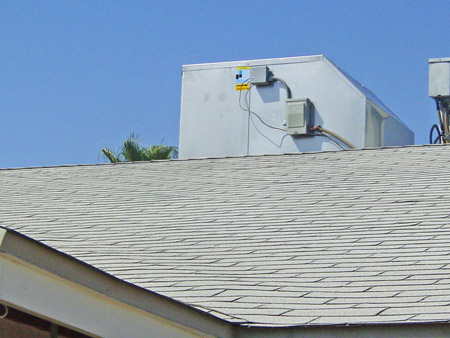
Residential evaporative coolers can be a strong fit for homes in dry climates that benefit from fresh-air cooling, lower operating demand, and straightforward maintenance.
Why Homeowners Choose a Residential Evaporative Cooler
Home cooling decisions are not just about temperature. They also involve energy use, indoor feel, maintenance expectations, and climate fit. A residential evaporative cooler appeals to homeowners who want a practical cooling option that can reduce operating cost and deliver a different style of airflow than conventional refrigerated air.
Residential evaporative cooler benefits that matter in daily use
- Can use substantially less electricity than many standard air conditioning systems
- Supports continuous fresh-air circulation throughout the home
- Adds a measure of moisture to overly dry indoor air
- Uses fewer complex mechanical components than compressor-based systems
- Can be easier to maintain when seasonal service is handled consistently
- Works especially well in hot, dry climates where evaporation is more effective
| Cooling Priority | Residential Evaporative Cooler Response | Why Homeowners Care |
|---|---|---|
| Lower operating cost | Uses water evaporation instead of full refrigeration | Can reduce electrical demand in the right climate |
| Fresh indoor feel | Moves outdoor air through the home | Helps avoid the feel of constantly recirculated air |
| Dry indoor conditions | Adds moisture as part of the cooling process | Can feel more comfortable in arid environments |
| Simple service needs | Relies on straightforward pads, water flow, and airflow components | Maintenance is often more approachable when handled seasonally |
| Climate dependence | Performs best where humidity stays low | Helps buyers judge whether it is the right fit before purchasing |
Construction and Features Built for Long-Term Home Use
A home cooling system should not feel disposable. Residential evaporative coolers from Premier Industries are designed with durable materials, proven components, and service access that make seasonal maintenance more manageable. That matters because long-term ownership is usually where product quality becomes obvious.
Residential evaporative cooler construction details homeowners should know
- Stainless steel Grade 304 housing for long-term corrosion resistance
- 12-inch rigid cooling media for strong evaporation performance
- Heavy-duty motor options matched to airflow requirements
- High static pressure capability for effective air distribution
- Full top access panel for easier maintenance and service work
- Mechanical float valve for dependable water level control
- Auto bleed-off system to help reduce mineral buildup
- Removable aluminum bird screen for cleaner service access
Useful residential cooler options
Homeowners may also want features that make operation and seasonal management easier. Available options can include slide-in aluminum faceplates for winterization, thermostat controls for more efficient water and energy use, multiple motor voltage and phase configurations, and stainless steel support legs with adjustable anchor plates. Knowing how often to replace evaporative cooler pads is one of the most practical things a homeowner can stay on top of to maintain consistent cooling. If you eventually need replacement components, our replacement wet sections and replacement media pages are the best places to start.
Media still drives the cooling result
Even in a residential application, cooling media is central to the way the system performs. Media condition, water distribution, and seasonal care all influence how evenly and effectively the home is cooled. Homeowners comparing media choices can also review our evaporative cooling media page for broader product information.
Water quality affects long-term performance
Hard water and mineral-heavy supply conditions can shorten pad life and affect cooling consistency. If your area struggles with mineral buildup, read our article on how water quality affects evaporative cooling performance for a more detailed breakdown.

Good residential equipment should be durable, accessible for service, and built with components that support consistent cooling season after season.
Residential Evaporative Cooler vs Traditional Air Conditioning
Many homeowners begin by comparing evaporative cooling with standard central AC. The better choice depends on climate, indoor comfort preferences, operating cost priorities, and whether moisture removal or fresh-air movement matters more for the home. In dry climates, a residential evaporative cooler can be a strong fit. In humid environments where dehumidification is important, traditional AC may still be the better match. For a full side-by-side breakdown of cost, efficiency, and climate factors, our swamp cooler vs AC guide covers everything homeowners need to make a confident decision.
Residential evaporative cooler comparisons should start with climate and lifestyle
When evaporative cooling often makes sense
Outdoor humidity stays low, energy efficiency matters, and the homeowner prefers fresh-air circulation over a fully sealed recirculated system.
When traditional AC may still be better
Humidity is consistently high, moisture removal is important, or the household wants a cooling system built around refrigerated air and sealed indoor operation.
Indoor comfort feel
Evaporative cooling often feels breezier and more open, while standard AC usually delivers a drier, more closed-loop environment.
Maintenance rhythm
Evaporative systems rely on seasonal pad care, water checks, and cleaning, while AC systems center more on refrigerant-based equipment and related service needs.
Homeowners who want to compare broader system categories can also look at our commercial evaporative coolers and industrial evaporative coolers, although those lines are intended for larger or more demanding spaces than a typical home requires.
Installation and Seasonal Maintenance for Homeowners
Residential evaporative coolers may be installed on rooftops, exterior walls, or windows depending on the unit design and the layout of the home. The most successful installations account for water supply, electrical connection, air path, and proper exhaust so cooled air can move through the house rather than stagnate. Good airflow planning matters just as much as equipment quality.
Residential evaporative cooler maintenance should be handled consistently
Seasonal care is one of the keys to getting reliable performance year after year. Pads should be inspected before peak cooling season, the basin and water paths should be cleaned, and pumps, belts, and water distribution components should be checked for wear or uneven operation. Our complete guide on how often to replace swamp cooler pads is worth reviewing before the cooling season starts so you know what to watch for and when to act. If your home relies heavily on the system during summer, staying ahead of maintenance can prevent the kind of efficiency drop that homeowners often mistake for a sizing issue.
| Maintenance Task | What To Check | Why It Matters |
|---|---|---|
| Pad inspection | Condition, mineral buildup, airflow blockage | Worn or restricted media can reduce cooling performance |
| Basin cleaning | Sediment, scale, debris | Cleaner water paths support better operation |
| Pump and distribution check | Even water flow across the media | Uneven wetting can reduce cooling consistency |
| Belt and motor review | Wear, alignment, proper function | Protects airflow delivery and system reliability |
| Seasonal shut-down and winterization | Drainage, faceplates, closure prep | Helps protect the system between cooling seasons |
If you want more technical planning data before purchasing or replacing a unit, our graphs & specs page and specs & drawings page can help. Homeowners looking for more flexible localized cooling may also want to review our portable swamp cooler options.
Why Homeowners Continue to Choose Premier Industries
Premier Industries has been manufacturing evaporative cooling systems since 1983, and that long track record matters when homeowners want something built for long-term ownership rather than short-term replacement. Residential buyers need durable construction, dependable airflow, replacement component availability, and straightforward support when questions come up. That is exactly why many homeowners continue to choose Premier Industries when evaluating home evaporative cooling options.
If you are comparing complete systems, replacement parts, or media options, you can browse our products and accessories, visit the shop, or return to the homepage to explore the broader product range. Buyers working through a budget can also review our guide on evaporative cooler installation cost for typical equipment and labor ranges. If you are ready to ask questions about pricing, installation considerations, or fit for your home, speak with our evaporative cooling team or call 602-997-8754.
Frequently Asked Questions About Residential Evaporative Coolers
Do residential evaporative coolers work well in every climate?
No. They work best in hot, dry climates where evaporation is efficient. In humid climates, cooling performance can drop and traditional air conditioning may be a better fit.
How does a residential evaporative cooler compare to central AC?
A residential evaporative cooler cools by drawing outdoor air through water-saturated media and uses significantly less electricity than central AC. Central AC relies on refrigerant-based cooling and recirculates indoor air, making it more effective in humid climates. Our swamp cooler vs AC guide covers the full comparison of cost, efficiency, and climate fit.
How often do evaporative cooler pads need to be replaced?
Most pads should be inspected at the start of each cooling season and replaced when performance drops, mineral buildup is visible, or the pad has deteriorated. Our guide on how often to replace swamp cooler pads covers recommended schedules and the signs to watch for.
What does a residential evaporative cooler installation cost?
Costs vary depending on the unit type, size, and installation complexity. Our evaporative cooler installation cost guide walks through typical equipment and labor ranges so you know what to budget from start to finish.
What maintenance does a residential evaporative cooler need?
Typical maintenance includes pad inspection, basin cleaning, water distribution checks, and reviewing pumps, belts, and motors before and during cooling season. Winterization at the end of the season is also important in colder climates.
Can a residential evaporative cooler help lower energy use?
In the right climate, yes. Many homeowners choose evaporative cooling because it can use significantly less electricity than conventional compressor-based cooling systems.
Where can I get parts or replacement media for my home unit?
You can review replacement media, replacement wet sections, or browse the shop for related components and product support options.
Get a Quote