
Commercial evaporative coolers from Premier Industries, Inc. offer a practical cooling solution for warehouses, shops, packaging areas, service bays, light manufacturing spaces, and other commercial work environments that need dependable airflow without the operating burden of heavy refrigerated air conditioning. Since 1983, Premier Industries has built evaporative cooling equipment designed for real-world performance, serviceability, and long-term value. Businesses still comparing cooling approaches can get a full cost and performance breakdown in our swamp cooler vs AC guide. If you want help narrowing the right system for your building, reach out to our commercial cooling specialists.
Commercial spaces often need something in between residential comfort cooling and the heavier-duty demands of full industrial equipment. That is where this category makes sense. These systems are a lighter and more economical alternative to our industrial evaporative coolers, while still delivering strong airflow, durable stainless construction, and dependable cooling in hot, dry climates. If you are comparing the broader equipment lineup first, you can also review our full evaporative coolers range.
Commercial Evaporative Coolers for Efficient Facility Cooling
Commercial evaporative cooling works especially well where fresh-air movement, practical temperature reduction, and manageable operating costs all matter. In the right environment, these systems can help cool active work areas while improving air exchange throughout the building. That makes them attractive for many businesses that need more than fans alone but do not want to default to a fully compressor-driven approach.
How commercial evaporative coolers improve comfort and airflow
Warm outside air is drawn through water-saturated cooling media. As the water evaporates, heat is removed from the incoming air stream before that cooler air is delivered into the space. The result depends on humidity, airflow design, media quality, and correct sizing, but in favorable climates it can be a highly practical way to cool warehouses, shops, and work areas while maintaining steady fresh-air circulation. For technical HVAC standards and reference material, ASHRAE remains a strong source at ASHRAE.
Actual air delivered on commercial models
Steady airflow for commercial work environments
Built for durability and longer service life
Lower-cost path than heavier industrial equipment in many applications
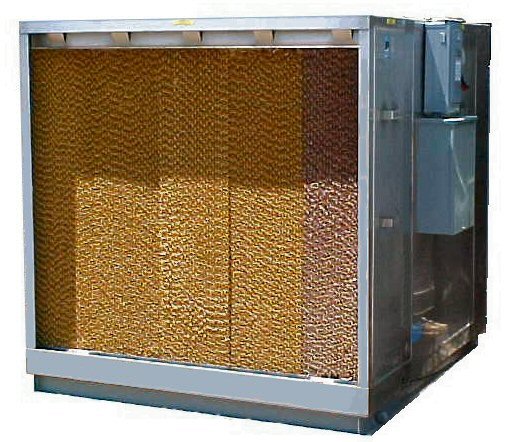
Commercial evaporative coolers are often selected for workspaces that need strong airflow, reliable cooling, and durable equipment without stepping up to full industrial-scale construction.
Where Commercial Evaporative Coolers Fit Best
Commercial facilities vary widely. Some are open work areas with steady foot traffic and equipment heat, while others are packaging or service spaces where comfort, ventilation, and airflow all affect day-to-day productivity. That is why commercial evaporative systems are often chosen for buildings that need more cooling power than portable equipment but do not require the highest-output structural features of industrial models.
Commercial evaporative coolers in common business settings
Warehouses and storage spaces
Inventory areas, staging zones, and shipping spaces often benefit from broader airflow and more practical heat relief during warmer operating periods.
Shops and service centers
Workshops, service bays, and repair environments can build up heat quickly, especially when doors open and close throughout the day.
Packaging and light production areas
Commercial evaporative cooling can help support more stable working conditions in spaces where moderate process heat and employee comfort both matter.
Open commercial work zones
Facilities with active staff movement and wide floor plans often need better air movement than conventional spot cooling can deliver.
Climate still determines the result
Commercial evaporative systems are most effective in hot, dry climates where evaporation can work efficiently. In more humid areas, performance expectations need to be reviewed carefully. If you want a simple way to frame likely conditions, our swamp cooler humidity chart is a useful reference, and our resources section offers more technical information for deeper evaluation.
Commercial Evaporative Coolers Compared With Industrial Models
Commercial and industrial systems are related, but they are not interchangeable. Buyers who need maximum airflow, heavier structural framing, or more advanced vibration isolation may be better served by our industrial evaporative coolers. Buyers who need a cost-effective commercial solution with strong cooling performance and durable construction often find the commercial line to be the right balance.
Commercial evaporative coolers often make sense when you need balance
This category is a strong fit when the building still requires serious airflow, but the application does not demand the heaviest-duty industrial specifications. That can make commercial systems attractive for companies that want efficient cooling, durable materials, and practical service access while staying aligned with the needs of a shop, warehouse, or light production environment.
| Comparison Point | Commercial Units | Industrial Units |
|---|---|---|
| Typical use case | Warehouses, shops, packaging, service areas, light production | Plants, fabrication shops, larger industrial facilities, high-demand work floors |
| Equipment profile | Lighter and more economical | Heavier-duty construction and structural support |
| Airflow range | Strong airflow for commercial spaces | Higher-capacity airflow for demanding industrial applications |
| Best fit | Commercial environments needing practical cooling and durability | Harsh operating conditions and maximum airflow requirements |
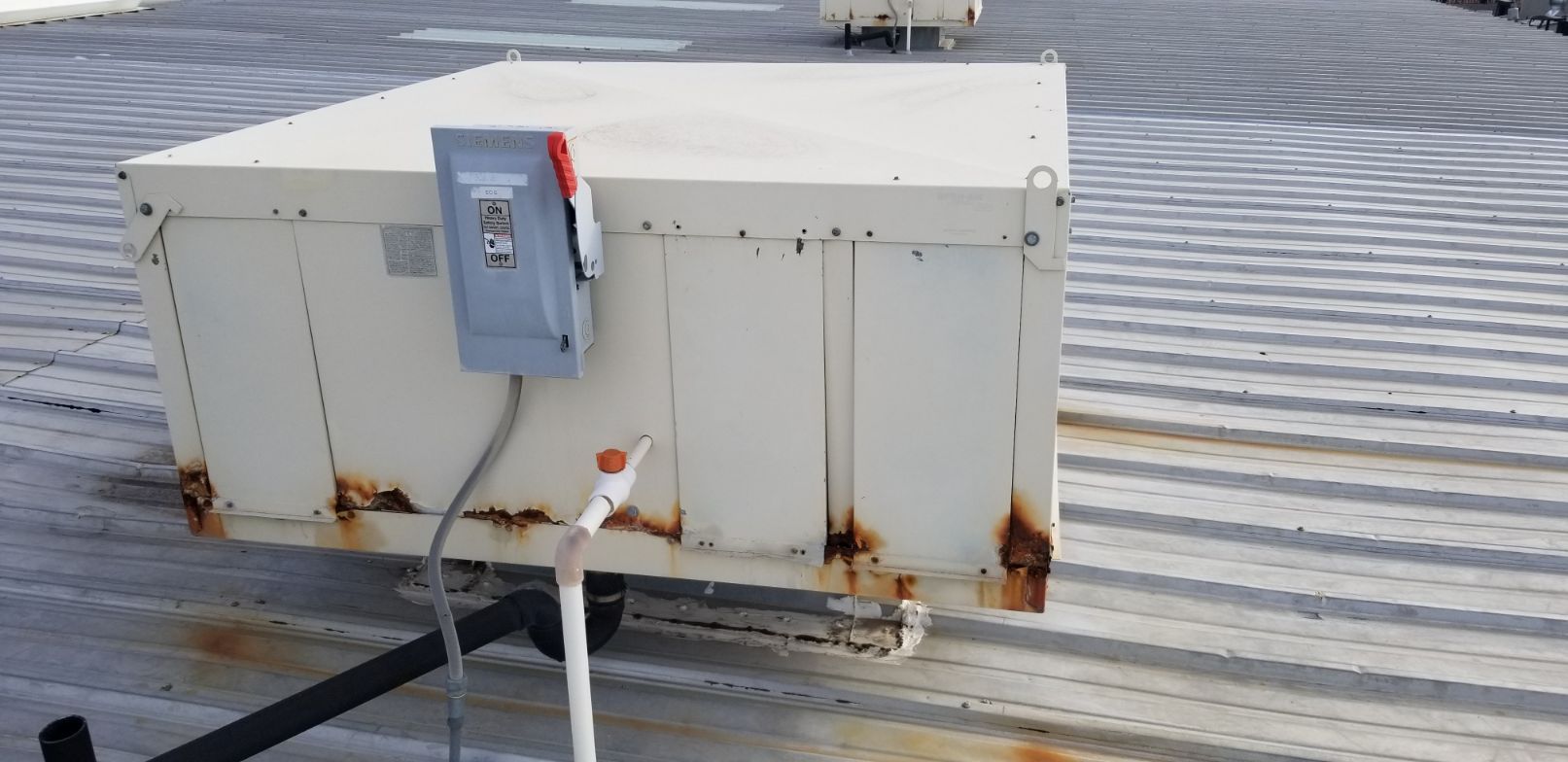
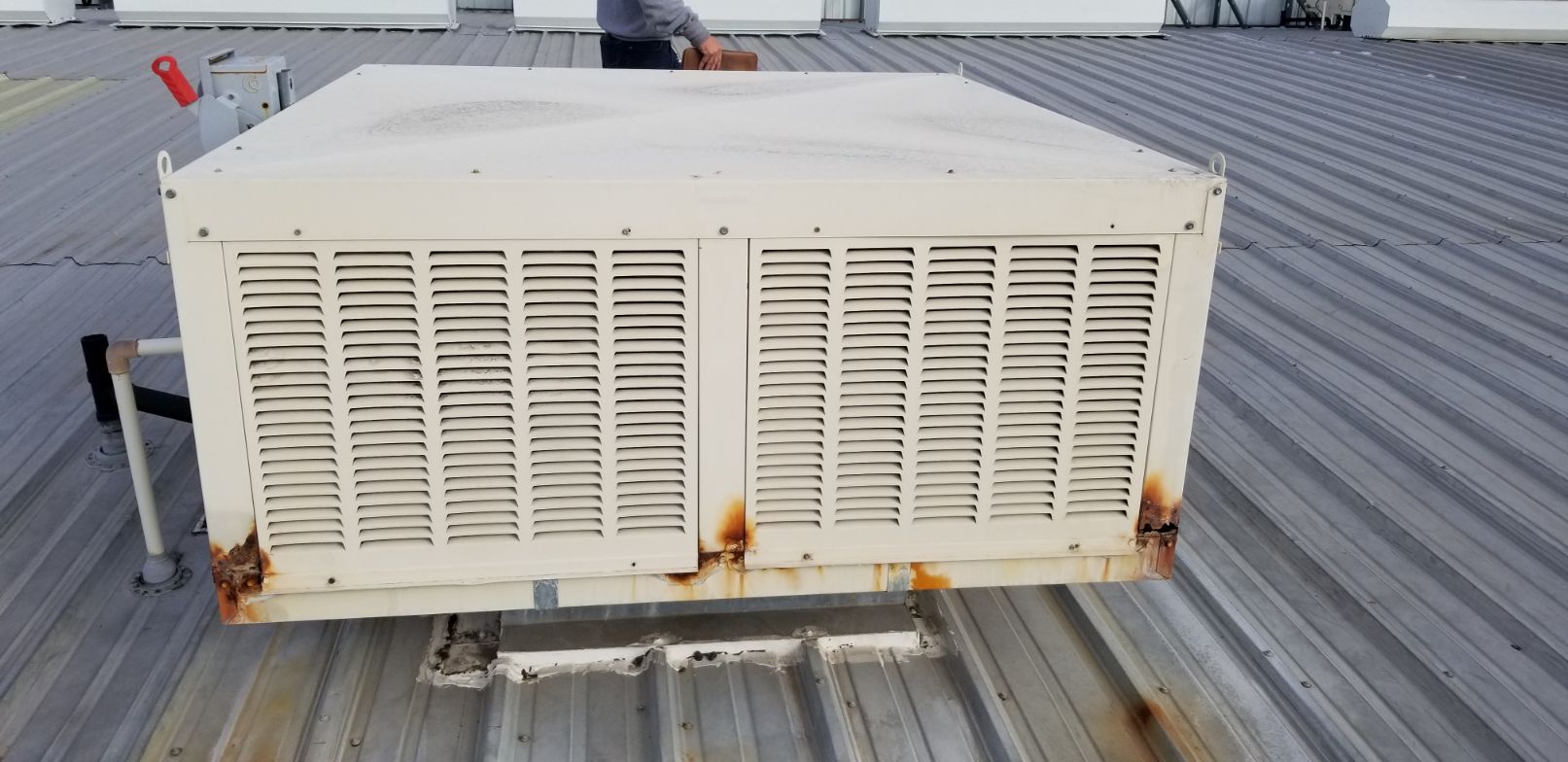
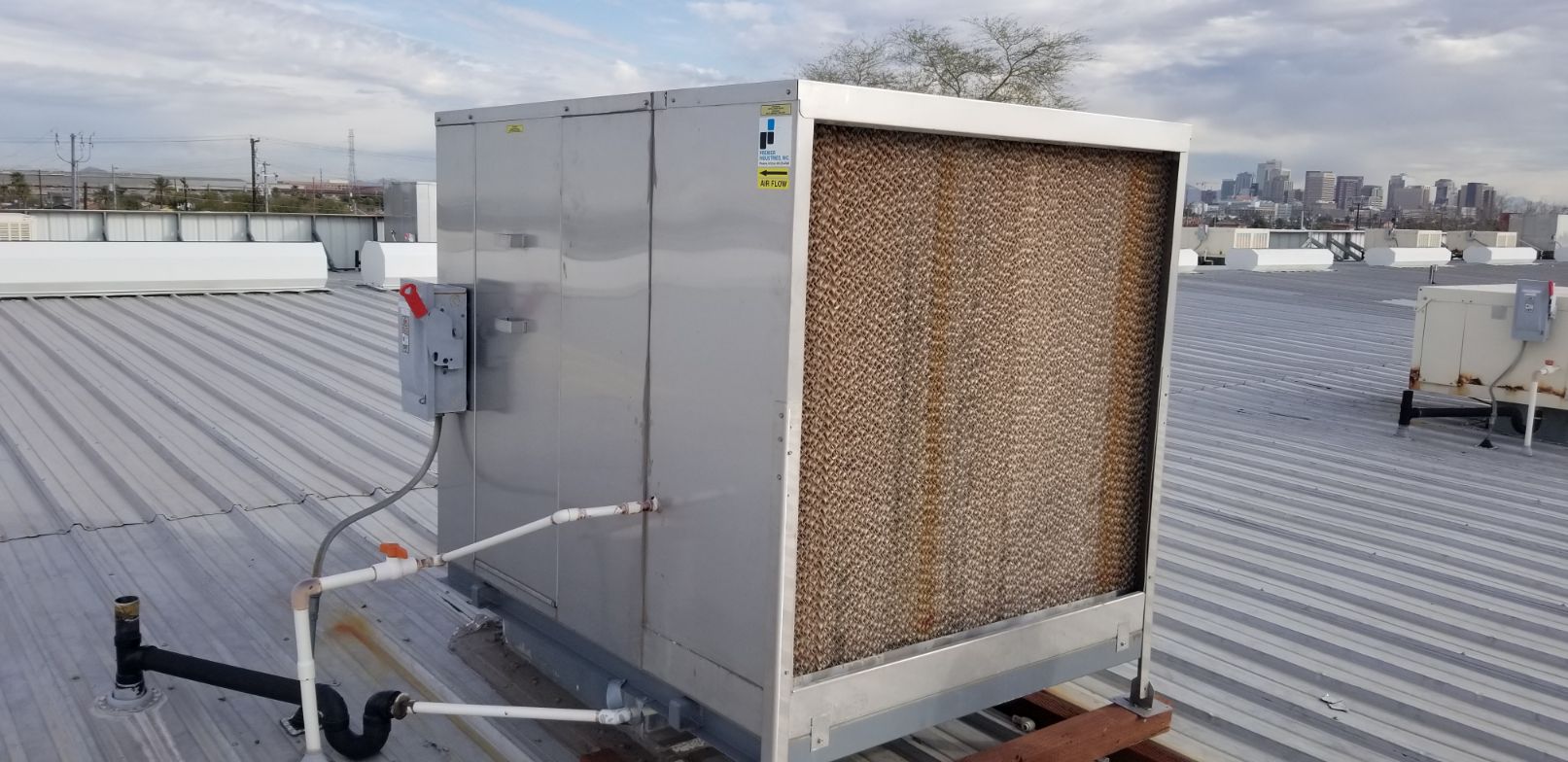
Commercial equipment views
Construction and Components Designed for Long-Term Ownership
Commercial equipment needs to do more than cool well on day one. It needs to be serviceable, durable, and practical to maintain over time. Premier Industries commercial evaporative coolers are built with stainless construction, quality cooling media, and accessible service features that help support long-term ownership rather than short-term replacement cycles.
Commercial evaporative coolers use durable core components
- Housing: Stainless steel grade 304, 18 gauge for both wet and dry sections
- Cabinet support: Hat sections form the cabinet bottom and support the blower and motor assembly
- Access panel: Full-height removable panel for inspection, discharge-side access, and service work
- Media service: Top of the wet section can be removed for pad replacement
- Blower: Industrial-grade blowers designed for dependable airflow delivery
- Motor: Heavy-duty open-face drip-proof motors selected to match airflow and pressure requirements
Controls and practical operating features
Commercial systems commonly include fused disconnects with manual on/off switching, magnetic starters with thermal overload protection, and pump contactors. Remote controls such as thermostats or manual switching can also be added depending on the setup and operating preference. Knowing how often to replace evaporative cooler pads is one of the most practical things a commercial owner can stay on top of. If you need replacement items, our replacement wet sections and replacement media pages make it easier to stay ahead of service needs.
Media and water distribution are performance drivers
The wet section matters. Media quality, water distribution consistency, and overall water management all affect how evenly the unit cools and how long it continues performing the way it should. Buyers comparing media options can also review our evaporative cooling media page for broader material and product information.
Water quality should never be ignored
Hard water and mineral buildup can shorten media life and affect long-term performance. If you want more detail on this topic, read our article on how water quality affects evaporative cooling performance for a closer look at why maintenance planning matters.
How to Size Commercial Evaporative Coolers More Accurately
Commercial system selection should never be reduced to a guess. The right unit depends on building volume, heat load, ventilation goals, and any static pressure considerations that affect delivered airflow. Roof-mounted and wall-mounted installations can each work well, but layout and exhaust planning need to be thought through before equipment is selected.
Commercial evaporative coolers should match the building, not just the budget
A unit that looks affordable up front can still miss the mark if the airflow does not match the space. That is why it helps to evaluate square footage, ceiling height, occupancy, heat-producing equipment, building openings, and expected air changes early in the process. For buyers planning a new installation, our evaporative cooler installation cost guide covers typical equipment and labor ranges from purchase through final setup. If you need technical planning tools, our graphs & specs and specs & drawings pages are the right place to start.
| Sizing Factor | Why It Matters | Selection Impact |
|---|---|---|
| Building volume | Determines how much air needs to move through the space | Affects total airflow target and unit capacity |
| Heat load | Equipment, lighting, and process activity add temperature stress | May require stronger airflow or a different configuration |
| Ventilation needs | Commercial work areas often need air exchange, not just cooling | Changes how airflow should be planned across the building |
| Static pressure | Ducting or layout restrictions can affect air delivery | Influences blower and motor selection |
| Exhaust path | Air must move through and out of the building efficiently | Poor exhaust planning can hurt performance |
Some commercial facilities also benefit from more deliberate building air replacement strategies. If that is part of your planning, take a look at our makeup air unit options as well.
Maintenance Expectations for Commercial Systems
Commercial evaporative cooling stays effective when routine upkeep is handled consistently. That usually means checking basin cleanliness, monitoring pumps and water distribution, managing mineral buildup, and replacing media as needed. If the unit is mounted in a location with difficult access, service planning becomes even more important.
What commercial evaporative coolers usually need over time
Seasonal cleaning
Basins, water paths, and accessible surfaces should be cleaned to reduce buildup and keep operation consistent.
Water distribution checks
Even water flow across the media is essential for uniform cooling and better performance.
Media replacement
Pads and wet sections wear over time and should be replaced when performance declines or condition deteriorates.
Motor and blower inspection
Routine checks help confirm airflow remains aligned with the way the system was intended to perform.
If you want a deeper look at upkeep, our swamp cooler maintenance guide is a useful next stop. Buyers who need more flexible cooling zones instead of fixed commercial equipment may also want to compare our portable swamp cooler options.
Why Businesses Continue to Choose Premier Industries
Premier Industries has been building evaporative cooling equipment since 1983, and that history matters when the goal is long-term performance rather than generic catalog shopping. Commercial buyers often need equipment that is durable, easy to understand, and backed by practical support. They also need access to replacement media, wet sections, accessories, and technical references without bouncing between disconnected suppliers.
If you want to review related items, you can browse our products and accessories, explore the shop, or compare applications across the full evaporative coolers lineup. If you are ready to talk through your building, get in touch with our evaporative cooling team or call 602-997-8754.
Frequently Asked Questions About Commercial Evaporative Coolers
What size commercial evaporative cooler do I need?
Sizing depends on building volume, heat load, ventilation goals, airflow path, and any static pressure constraints. Reviewing your space dimensions and operating conditions is the best way to narrow the right model range.
How does a commercial evaporative cooler compare to air conditioning?
Commercial evaporative coolers use significantly less electricity than compressor-based AC units and deliver fresh outside air rather than recirculating indoor air. They perform best in hot, dry climates. Our swamp cooler vs AC guide covers the full cost, efficiency, and climate comparison.
Do commercial evaporative coolers work in humid climates?
They are most effective in hot, dry climates. In more humid environments, performance depends on the actual site conditions and the cooling goal for the building.
How often do commercial evaporative cooler pads need to be replaced?
Most pads should be inspected at the start of each cooling season and replaced when performance drops or mineral buildup is visible. Our guide on how often to replace swamp cooler pads covers typical schedules and signs to watch for.
What maintenance is required for a commercial evaporative cooler?
Typical maintenance includes cleaning basins, inspecting pumps and water distribution, monitoring mineral buildup, and replacing media or wet sections when they wear out.
How are commercial evaporative coolers different from industrial models?
Commercial units are generally a lighter and more economical option, while industrial models are built for heavier-duty environments, stronger structural demands, and maximum airflow requirements.
Can commercial evaporative coolers be roof-mounted or wall-mounted?
Yes. Depending on the facility layout and airflow plan, commercial units may be mounted on the roof or on an exterior wall so fresh air can be drawn into the space and discharged effectively.
Get a Quote