
Evaporative coolers from Premier Industries, Inc. are built for industrial, commercial, residential, and portable applications where dependable airflow, lower energy use, and fresh-air cooling matter most. In hot, dry climates, evaporative cooling can be a practical solution for warehouses, shops, production areas, open workspaces, and other environments that benefit from continuous ventilation and scalable performance.
Unlike refrigerated systems that rely on compressors and recirculated air, evaporative systems cool by pulling warm air through water-saturated media. That process reduces supply-air temperature while supporting air exchange throughout the space. For buyers weighing their cooling options, our swamp cooler vs AC guide covers cost, efficiency, and climate fit side by side. If you are comparing complete systems, replacement components, and media options, you can also review our products and accessories, browse the online shop, or reach out to our evaporative cooling specialists to discuss the right configuration for your application.
Evaporative Coolers for High-Airflow Cooling
Evaporative cooling works especially well where dry outdoor air, ventilation requirements, and large cubic footage make traditional air conditioning expensive or impractical. Facilities often choose these systems when they need broad airflow coverage, cleaner air exchange, and equipment that can be maintained without the complexity of compressor-heavy cooling equipment.
How evaporative coolers improve indoor conditions
Warm air passes through rigid or flexible cooling media that has been wetted by the system. As evaporation occurs, heat is removed from the air stream before it is delivered into the space. The result is a cooling effect closely tied to humidity, airflow design, media quality, and unit sizing. For businesses planning around employee safety in hot conditions, OSHA’s heat illness prevention guidance is a useful reference alongside equipment planning.
Continuous air movement instead of stale recirculation
Suitable for open floor plans and larger spaces
Fewer refrigeration components to service over time
Strong performance where humidity stays relatively low
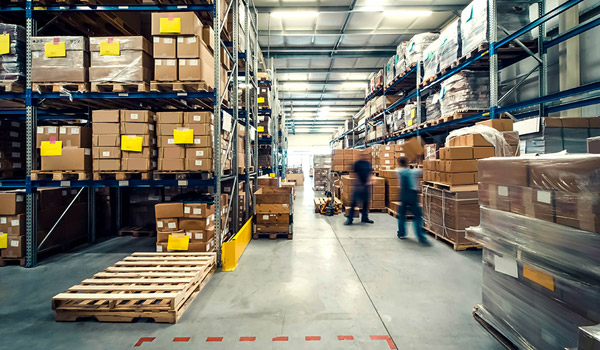
Large industrial interiors often benefit from evaporative cooling because airflow and ventilation can be delivered across wide floor areas without relying on conventional refrigerated air alone.

Cooling strategy matters in hot environments. Well-designed airflow and ventilation can support more comfortable and productive indoor conditions during peak heat periods.
What Is an Evaporative Cooler?
An evaporative cooler is a system that lowers air temperature through water evaporation while moving large volumes of air into a structure or occupied area. The technology has long been used in dry regions because it can deliver meaningful cooling without the operating profile of a conventional compressor-based system.
What Is an Evaporative Cooler doing inside the system?
Inside the unit, air is drawn through cooling media that has been saturated with water. That air is cooled as evaporation takes place, then pushed into the building or target area. Because humidity plays such a large role in real-world results, application fit matters. That is one reason many buyers compare complete system options with the right evaporative cooling media, sizing requirements, and airflow expectations before choosing a model.
| Factor | What It Affects | Why It Matters |
|---|---|---|
| Climate and humidity | Cooling effectiveness | Dry climates usually provide the strongest evaporative performance. |
| Airflow volume | Coverage and air exchange | Higher airflow helps serve larger open spaces and work areas. |
| Cooling media quality | Temperature drop and service life | Better media can improve saturation, durability, and maintenance intervals. |
| Unit sizing | Comfort and consistency | A mismatched unit can underperform or move air inefficiently. |
| Water quality | System cleanliness and longevity | Mineral buildup and scale can shorten component life and reduce performance. |
Equipment design, media selection, and airflow planning all influence how well evaporative coolers perform once installed.
Choosing the Right Evaporative Coolers by Application
Not every environment needs the same equipment. Some facilities need rugged airflow for production or warehouse use, while others need a smaller system for residential comfort or targeted spot cooling. That is why Premier Industries offers multiple categories that speak to different operating conditions and capacity needs.
Evaporative coolers for industrial settings
Industrial facilities often need strong airflow, durable construction, and cooling that can keep up with high ceilings, open bays, equipment-generated heat, and changing occupancy levels. For those requirements, review our industrial evaporative coolers to compare options built for more demanding operating environments.
Evaporative coolers for commercial spaces
Commercial environments usually need a balance of comfort, air movement, and practical maintenance. Retail areas, shops, service centers, event spaces, and similar environments can benefit from systems built for consistent performance and cleaner ventilation. Explore our commercial evaporative coolers if your project needs dependable cooling with broad public or staff use in mind.
Evaporative coolers for residential use
Homes in dry climates may benefit from systems that help lower temperatures while supporting fresh-air movement through the living space. If your focus is home use rather than industrial or commercial airflow, take a look at our residential evaporative cooler options for a more targeted fit.
Evaporative coolers for portable cooling
Some buyers need flexibility more than permanent installation. Temporary work areas, garages, events, localized cooling zones, and changing floor layouts often call for mobile equipment that can be positioned as needed. In those cases, our portable swamp cooler options are worth reviewing.
Where Evaporative Coolers Make the Most Sense
Evaporative cooling is not a one-size-fits-all answer, but it can be a very strong fit when building conditions, climate, and airflow needs align. Buyers often choose these systems when they need practical large-area cooling, better ventilation, and a lower-complexity mechanical approach.
Warehouses and distribution areas
Open floor plans, loading activity, and warm indoor conditions can make high-airflow cooling especially valuable in storage and shipping environments. If your operation depends on airflow across large spaces, it may also be helpful to review our makeup air unit solutions.
Manufacturing and production floors
Heat from equipment, lighting, and process activity can create persistent temperature challenges. Evaporative systems can support cooling and ventilation in facilities where air turnover matters as much as temperature reduction.
Garages, workshops, and service bays
Spaces with frequent door openings or active mechanical work often benefit from continuous airflow. Portable or commercial evaporative systems are commonly reviewed for these applications depending on square footage and usage patterns.
Homes in the right climate
Residential evaporative systems can make sense where outdoor humidity remains low and buyers want a fresh-air cooling approach that differs from conventional central air methods.
Performance Factors That Matter More Than Marketing Claims
The biggest mistake buyers make is treating every evaporative system as interchangeable. Real-world performance depends on more than model labels. Media construction, cabinet durability, airflow design, water distribution, and maintenance access all affect how the system holds up over time.
Cooling media selection and maintenance
Cooling media is central to the entire process. Media quality affects saturation efficiency, resistance to breakdown, and consistency of cooling over time. Knowing how often to replace evaporative cooler pads is one of the most important maintenance decisions an owner can make to protect long-term cooling output. If you are replacing worn media or comparing material options, our replacement media, replacement wet sections, and brand-specific options such as CELdek, GLASdek, and KUUL Pads can help narrow the right fit.
Water quality and system longevity
Mineral-heavy water can contribute to buildup on pads and internal components, which may affect performance and service life. Cleaning routines, bleed-off strategy, and component quality all matter. Buyers working through technical selection questions can also review our resources, including performance references and technical information.
What to compare when evaluating system quality
- Cabinet construction and durability for the intended operating environment
- Media type, thickness, and expected service life
- Airflow coverage and suitability for the building volume
- Accessibility of pumps, belts, motors, and service components
- Replacement part availability through a reliable supplier
- Whether the system is being used in a truly favorable climate for evaporative cooling
Technical references can save time later
If your team needs performance data during evaluation, our graphs & specs and evaporative cooler specs & drawings pages are useful places to review technical details before final selection.
Wiring and field questions come up often
For practical field support, our swamp cooler wiring diagram article and swamp cooler humidity chart can help answer common technical questions tied to installation planning and expected performance.
Evaporative Coolers Compared by Use Case
Broad cooling goals usually fall into a few practical buckets. The chart below keeps the comparison simple so you can move quickly toward the most relevant category.
| Use Case | Best-Fit Direction | Common Priority |
|---|---|---|
| Large industrial floor area | Industrial evaporative coolers | High airflow, durability, serviceability |
| Retail, service, or public-facing space | Commercial evaporative coolers | Comfort, airflow balance, practical maintenance |
| Home cooling in dry regions | Residential evaporative cooler | Efficiency, fresh air, household comfort |
| Targeted or movable cooling | Portable swamp cooler | Flexibility, localized cooling, mobility |
| Replacement pad or media need | Evaporative cooling media | Performance recovery, maintenance planning |
Why Buyers Choose Premier Industries
Premier Industries focuses on durable evaporative cooling products and related components for buyers who need real performance, dependable airflow, and long-term service support. Instead of forcing every visitor into a narrow local service model, the site is built around nationwide product access, technical references, and practical selection paths for different cooling needs.
That approach matters when you need more than a generic overview. Whether you are reviewing complete systems, replacement media, parts, or technical references, you can move directly from the broad category here into the more specific equipment pages that match the project. For buyers who want a clear picture of what to budget, our guide on evaporative cooler installation cost walks through typical equipment and labor ranges from purchase through final installation. If you already know what you need, visit the shop. If you need help matching airflow, category, or components, speak with our evaporative cooling team directly.
Frequently Asked Questions About Evaporative Coolers
How do evaporative coolers work in dry climates?
Evaporative coolers work by drawing warm air through wetted cooling media. In dry climates, evaporation happens more efficiently, which allows the system to reduce supply-air temperature more effectively than it would in humid conditions.
How does a swamp cooler compare to an air conditioner?
Swamp coolers use water evaporation to cool air and consume up to 75% less electricity than traditional AC units in dry climates. Air conditioners use refrigerant-based cooling, work in any climate, and remove humidity from the air. Our swamp cooler vs AC comparison covers the full cost, efficiency, and performance breakdown.
Are evaporative coolers good for warehouses and large open spaces?
They can be an excellent fit for warehouses and other open interiors when the climate supports evaporative performance and the system is sized correctly. High airflow and steady ventilation are often two of the strongest benefits in those environments.
What is the difference between industrial, commercial, residential, and portable evaporative coolers?
The difference usually comes down to airflow capacity, construction, intended environment, and installation style. Industrial models prioritize rugged high-volume cooling, commercial units balance comfort and practicality, residential systems focus on home use, and portable units offer mobility for changing layouts or spot cooling.
How often do evaporative cooler pads need to be replaced?
Most pads should be replaced at least once per cooling season, with a mid-season check recommended for heavy use. Our full guide on how often to replace swamp cooler pads covers replacement schedules by pad type and the signs to watch for.
Do evaporative coolers require replacement media?
Yes. Cooling media wears over time and can lose effectiveness due to age, mineral buildup, and usage conditions. Replacement intervals depend on water quality, operating schedule, and media type.
Where can I buy evaporative coolers and replacement parts?
You can review system categories across this site, browse parts in the shop, or get in touch with our team if you need help identifying the right unit, media, or accessory.